Car Recovery Service Tips for Handling Unexpected Vehicle Breakdowns
Unexpected vehicle trouble can disrupt even a short journey. A warning light, damaged tyre, electrical problem, loss of power or mechanical fault may leave a driver unable to continue safely. When this happens in Solihull, on a motorway or anywhere else in the UK, knowing what to do next can help protect the driver, passengers, vehicle and other road users.
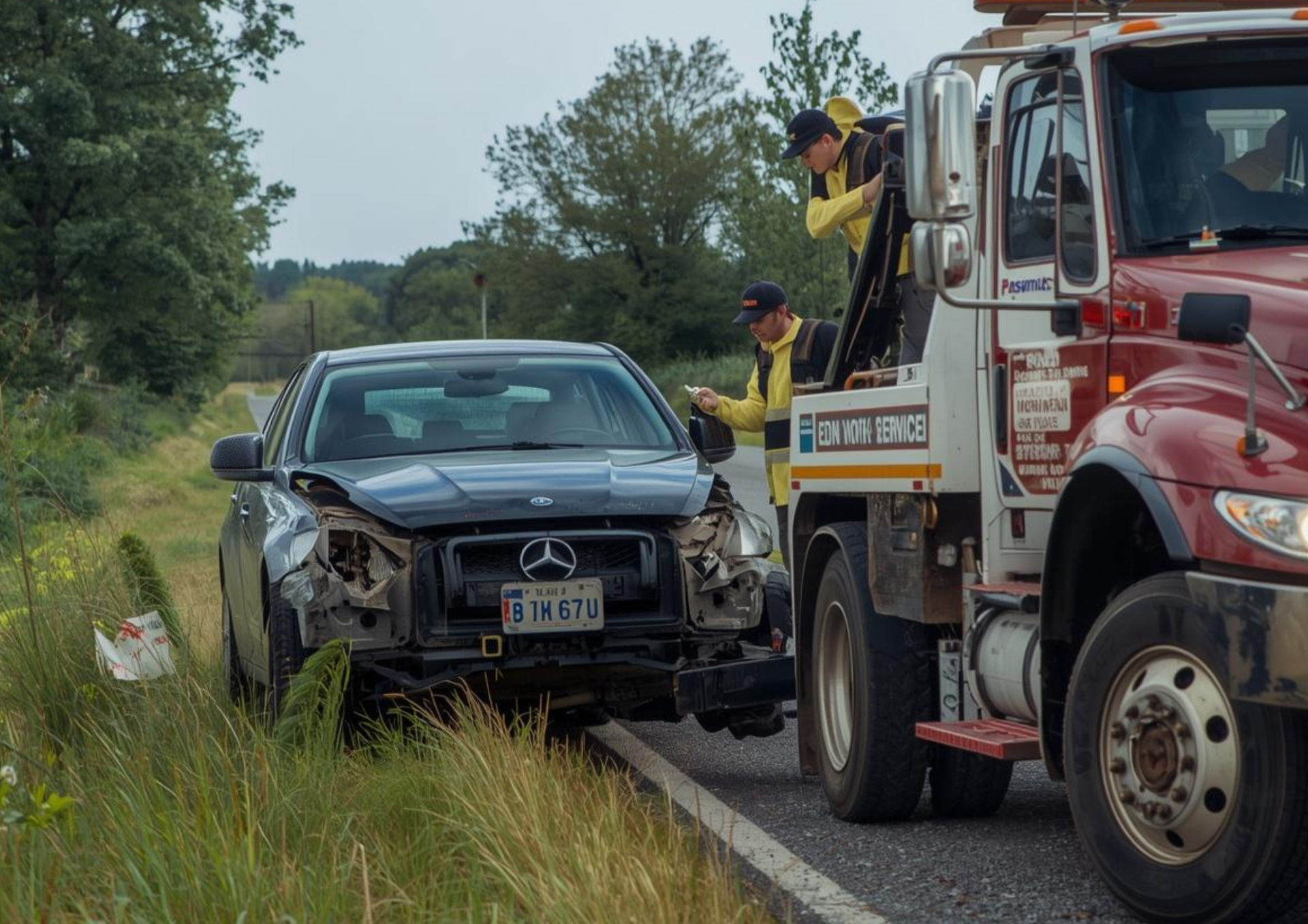
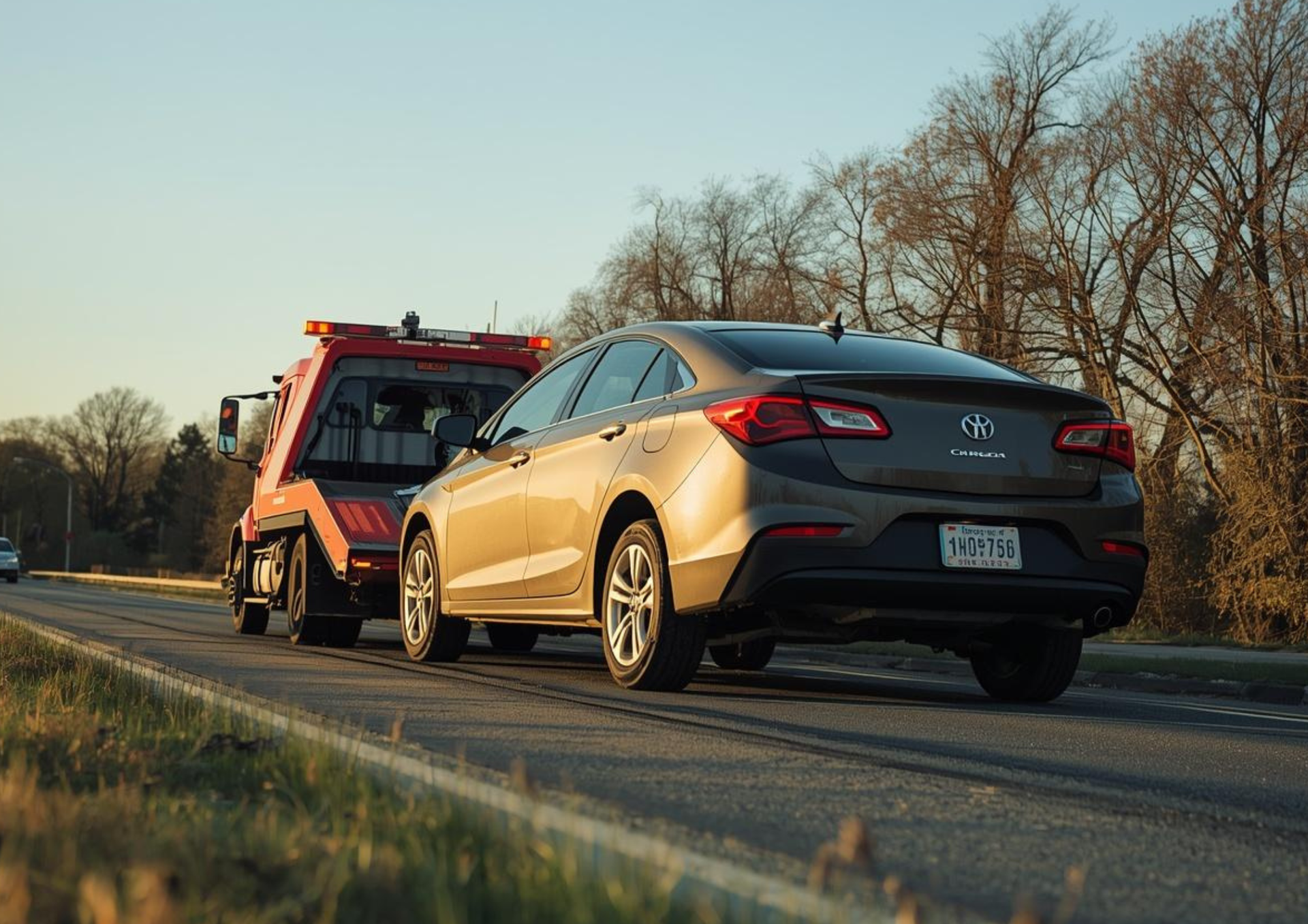
A professional car recovery service provides a practical solution when a vehicle cannot be driven safely. Rather than taking unnecessary risks by continuing a journey, motorists can arrange for the vehicle to be collected and transported to a repair garage or another suitable destination of their choice. This is particularly useful when the cause of a breakdown is unclear or the vehicle has developed a problem that could become worse if it continues moving.
Preparation also makes an unexpected breakdown easier to manage. Knowing how to stop safely, what information to provide and how to prepare for collection can reduce confusion at a stressful time. Although local road conditions and collection arrangements can vary, the basic principles of handling a breakdown apply whether someone is travelling through Solihull or driving elsewhere in the country.
What to Do When Your Car Breaks Down Unexpectedly
The first priority following a breakdown is to recognise that something is wrong and respond before the situation becomes more difficult. Warning lights, unusual noises, smoke, changes in steering, a sudden loss of power or abnormal vibrations can all indicate a problem that requires attention. Continuing to drive simply because the vehicle is still moving may not be sensible, particularly when its condition or roadworthiness is uncertain.
Where circumstances allow, drivers should look for an appropriate place to stop away from moving traffic. The exact action required will depend on the road and surroundings. A quiet local road in Solihull presents different conditions from a dual carriageway or motorway, so motorists should assess the situation carefully and follow the relevant road safety guidance. Once stopped safely, switching off the engine can help prevent a developing mechanical problem from becoming more serious.
Drivers should also avoid trying to diagnose complicated faults beside a busy road. Opening the bonnet or walking around a vehicle close to moving traffic can expose someone to unnecessary danger. A quick observation from a safe position may provide useful information, but mechanical investigation is better left until the vehicle is somewhere suitable. If smoke, leaking fluids or another obvious hazard is present, keeping a safe distance may be necessary.
A stranded motorist may naturally search online for car recovery near me when they need assistance in an unfamiliar area. Before arranging collection, it is useful to identify the road name, nearby landmarks, direction of travel and any other details that can help establish the vehicle's exact position. On longer roads, knowing a junction number, service area, postcode or nearby business can make the location easier to communicate.
The condition of the vehicle should also be described as accurately as possible. For example, a car with a damaged wheel may require different handling from one that has simply lost power but can still roll and steer normally. Explaining whether the vehicle starts, whether its wheels move freely and whether there is visible damage can help the recovery operator understand what may be required for collection.
Motorists should decide where they would like the vehicle taken whenever possible. This may be a trusted repair garage, a suitable storage location or another appropriate destination. Recovery is intended to move a vehicle that cannot safely complete its journey; the mechanical fault itself can then be assessed by the appropriate professional once the vehicle has reached a suitable location.
Staying Safe While Waiting for Professional Help
Waiting beside a broken-down vehicle requires continued attention to safety. Traffic conditions can change quickly, and a stationary vehicle may be particularly vulnerable when it is close to a live carriageway. Whether waiting on a local Solihull road or farther afield, motorists should consider their surroundings and avoid placing themselves or their passengers in unnecessary danger.
- Make the vehicle visible: Where appropriate and safe, use the vehicle's hazard warning lights to alert approaching road users that it is stationary or experiencing a problem.
- Choose a suitable waiting position: Where it is safe to leave the vehicle, move away from traffic and wait in an appropriate location. The safest action will depend on the type of road and circumstances.
- Keep passengers together: Children and other passengers may need additional guidance when leaving a vehicle. Avoid allowing anyone to stand close to moving traffic or wander around the roadside.
- Follow motorway guidance: Breakdowns on motorways and other high-speed roads require particular care. Drivers should follow current official guidance and any instructions given by the relevant authorities.
- Know your location: Check road names, junctions, nearby landmarks or other useful location information so the collection point can be described accurately.
- Prepare vehicle details: Having the registration, make, model and basic details of the problem available can make communication with the recovery operator more straightforward.
- Mention mobility problems: Tell the provider if the vehicle cannot steer, has damaged wheels, will not roll normally or has another problem that could affect loading.
- Avoid unnecessary roadside work: Attempting to investigate or repair a fault beside moving traffic can introduce additional risks. Wait for appropriate assistance rather than carrying out work in an unsuitable location.
Arranging car recovery is about getting an undriveable or unsafe vehicle from its current position to an appropriate destination. The operator collects, loads and transports the vehicle rather than carrying out mechanical repairs where the breakdown happened. If specialist repairs are needed, the vehicle can instead be taken to a suitable garage where the problem can be properly assessed.
While waiting, motorists should keep useful information and vehicle keys available where appropriate and remain reachable in case the operator needs further directions. Staying aware of the surroundings is more important than repeatedly checking the vehicle for faults. Good preparation can help the collection proceed efficiently once professional assistance arrives.
Preparing for Safe Vehicle Collection and Transportation
Providing accurate information before collection can make a significant difference to how smoothly the process proceeds. Recovery vehicles and loading arrangements need to suit the condition and type of vehicle being transported. A motorist does not need to diagnose the underlying mechanical fault, but describing what happened and what the vehicle can or cannot do gives the operator useful practical information.
For example, drivers should mention whether the engine starts, whether the vehicle remains in gear, whether the steering works normally and whether the wheels appear damaged or locked. Visible fluid leaks, damaged bodywork or parts hanging from the vehicle should also be reported. These details allow the situation to be considered before collection rather than discovering an important problem only when loading begins.
Car recovery should also be given accurate information about the vehicle itself. A small hatchback, large family car, van or other vehicle may have different transportation requirements. Giving the correct make and model, along with relevant information about modifications or unusual dimensions where applicable, can help ensure suitable arrangements are made.
Access to the vehicle is another practical consideration. A breakdown in a spacious car park is different from one in a narrow street, underground parking area or congested location. Solihull includes busy town roads, residential streets and routes connecting with major roads, so explaining access restrictions, height limits, narrow entrances or other obstacles can help prevent unnecessary delays.
Unexpected problems are not restricted to normal working times. A motorist looking for 24 hour car recovery may have broken down late at night, early in the morning or during a journey when nearby businesses are closed. Whatever the time, drivers should still provide clear location and vehicle details and confirm where they want the vehicle transported before collection wherever possible.
Personal belongings should also be considered before transportation. If the vehicle contains important documents, medication, work equipment or other items that will be needed before the car is returned, removing them when it is safe and practical can prevent inconvenience later. Motorists should not, however, put themselves at risk simply to retrieve something from a vehicle in an unsafe roadside position.
The destination should ideally be confirmed before the vehicle is loaded. If the car needs mechanical attention, a suitable repair garage may be the logical choice. Alternatively, the owner may prefer another appropriate location. The recovery provider's role is to transport the vehicle safely rather than repair it at the roadside. Lockout assistance and fuel delivery are also separate forms of assistance and are not part of the vehicle transportation process described here.
Good communication during collection remains important. Drivers should follow reasonable instructions from the operator and avoid interfering with loading equipment or attempting to move a vehicle that has already been positioned for recovery. Professional equipment is designed to control and secure the vehicle during loading and transportation, helping reduce the possibility of additional problems while it is being moved.
Choosing Reliable Help When Your Vehicle Cannot Continue
Choosing a suitable provider involves more than finding someone who can simply move a vehicle. Motorists should consider how clearly the provider communicates, whether suitable equipment is available and whether the condition of the vehicle can be handled appropriately. Local familiarity can also be valuable when arranging a collection in Solihull, particularly when the vehicle is in a busy or less accessible location.
- Clear communication: A professional provider should explain the collection process and establish essential details about the vehicle, its location and the required destination.
- Appropriate equipment: Recovery equipment should be suitable for the vehicle's size, type and condition. Providing accurate information beforehand helps with these arrangements.
- Careful loading: The vehicle should be positioned and secured correctly for transportation. This is especially important when wheels, steering or other components have been affected by a fault.
- Suitable vehicle capability: Drivers of cars, vans or other vehicles should confirm that the provider can accommodate the particular vehicle requiring transportation.
- Practical availability: Vehicle problems can happen at inconvenient times, so motorists should consider whether the provider operates at the time assistance is required.
- Knowledge of the area: Familiarity with Solihull and surrounding routes can be useful when locating stranded motorists and planning access to the collection point.
- Destination arrangements: Confirm where the vehicle will be transported before collection so both the driver and operator understand the requested journey.
- Professional conduct: Clear explanations and a calm, helpful approach can make the process easier for motorists dealing with an unexpected and potentially stressful situation.
The phrase roadside and recovery can cover different forms of vehicle assistance, so motorists should understand exactly what a particular provider offers before requesting help. In this case, recovery means collecting and transporting the vehicle rather than repairing it where it stopped. A vehicle requiring mechanical work can be moved to the relevant professionals instead.
Drivers should also avoid choosing assistance solely on the basis of speed. Appropriate equipment, careful vehicle handling and clear arrangements about the destination are equally important. Taking a few moments to provide accurate details can help prevent misunderstandings and ensure the vehicle can be transported appropriately.
A dependable provider should leave the motorist with a clear understanding of what will happen next. Once the collection location, vehicle condition and destination have been confirmed, the driver can concentrate on remaining safe while waiting. This straightforward approach can make an unexpected breakdown easier to manage wherever it occurs.
Unexpected breakdowns are inconvenient, but knowing how to respond can prevent an already difficult situation from becoming more stressful. Drivers should pay attention to warning signs, stop in an appropriate location when possible and avoid continuing a journey when the vehicle may no longer be safe to drive. Personal safety and awareness of surrounding traffic should always remain the priorities.
Preparing useful information can also make vehicle collection more straightforward. The vehicle's registration, make and model, exact location, visible problems and ability to steer or roll are all useful details to provide. Confirming the intended destination beforehand can further simplify the process and help ensure the vehicle is transported somewhere appropriate for professional assessment or repair.
Most importantly, motorists should avoid taking unnecessary risks with an undriveable vehicle. A professional
car recovery service provides a practical way to collect and transport the vehicle without relying on it to continue under its own power. Whether a breakdown happens in Solihull or elsewhere, staying calm, providing accurate information and arranging suitable transportation can make the situation considerably easier to manage.
Car Recovery Solihull provides professional support for motorists who need dependable vehicle transportation. We focus on clear communication and careful handling, helping drivers arrange collection when an unexpected fault leaves their vehicle unable to continue.
Our Car recovery service is designed to transport vehicles to a repair garage or another suitable destination chosen by the customer. By providing details about your location, vehicle and its condition, you can help us understand the collection requirements and make suitable transportation arrangements.
A breakdown can happen when you least expect it, whether you are making a short local journey or travelling farther from home. If your vehicle is no longer safe or practical to drive, get in touch with us to arrange professional collection and transportation to an appropriate destination.
Check out our latest X update for useful
car recovery service tips to help you handle unexpected vehicle breakdowns safely and effectively!
Car Recovery Solihull
0121 728 3979
39 Lode Lane, Solihull
B91 2UD
United Kingdom
You might also like